Home / Our work
Five components, one value chain
What the programme actually does
AVDP is built around five components that run from the swamp to the market. Each is described here with what it involves and where it has got to.
Inland Valley Swamps
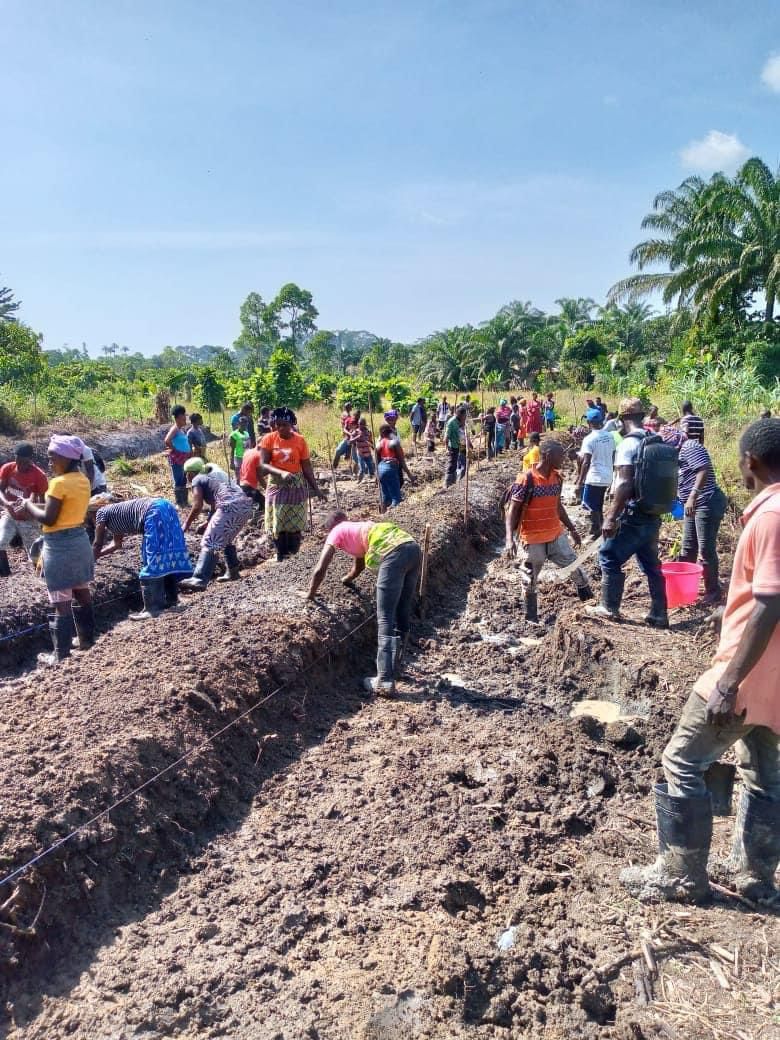
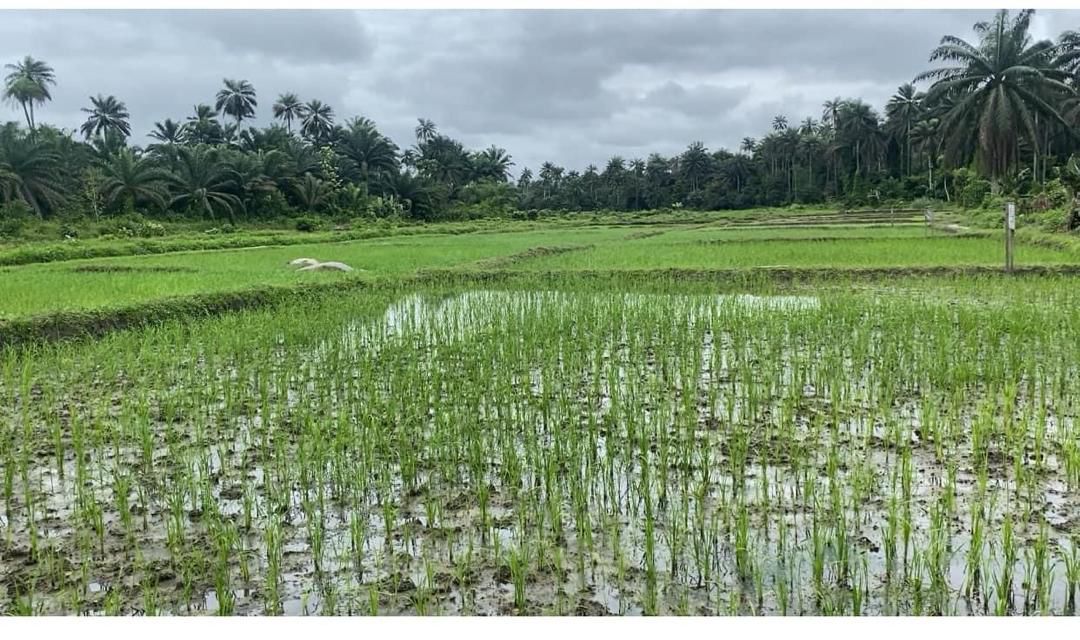
Sierra Leone's lowland swamps flood and drain on the season's terms. Development means water control structures, bunding and levelling, so an association decides when the water sits and when it goes — which is what turns one harvest a year into three.
- Water control structures and perimeter bunding
- Land levelling and internal canal networks
- Association training in scheme operation and maintenance
- Improved rice seed and mechanised threshing
Tree Crops
Much of the country's cocoa and oil palm is decades past peak yield. Rehabilitation replaces ageing stock with high-yield seedlings, and pairs it with the pruning, shade and disease management that keep a plantation productive for the next generation.
- Nurseries run by farmer groups, supplying improved seedlings
- Replanting and gap-filling on ageing plantations
- Pruning, shade regulation and black pod management
- Fermentation and drying infrastructure for quality premiums
Climate-Smart Agriculture
Rainfall in Sierra Leone is arriving later and falling harder. Climate-smart practice is not a separate programme but a set of choices inside every other component — what variety goes in the ground, how water is held, how soil survives a heavy season.
- Drought-tolerant and short-duration rice varieties
- Soil conservation, contour bunding and agroforestry
- Seasonal weather advisories with the Meteorological Agency
- Water harvesting and dry-season irrigation
Agribusiness & Markets
A higher yield that nobody buys is not income. This component links farmer organisations to processors, aggregators and rural finance, and builds the record-keeping and contracting capacity that makes a co-operative a credible supplier.
- Contract linkages between associations and off-takers
- Business plan development and financial literacy
- Access to rural finance and matching grants
- Aggregation centres and collective marketing
Rural Infrastructure
Produce that cannot leave the village at the right moment is produce sold at the wrong price. Feeder roads, stores and drying floors are the least visible part of the programme and the part farmers mention first.
- Rehabilitation of feeder roads to farming communities
- Drying floors, stores and processing centres
- Market structures at district aggregation points
- Community maintenance committees for each asset
Placeholder figures — replace with PMU monitoring data before publishing. Switch this notice off under Settings → AVDP Site Kit.
Across every component
Cross-cutting commitments
Women as owners, not beneficiaries
Targets for women's membership of association executives, not just participation counts. Land access is negotiated at scheme design, before the first bund is built.
A route into agriculture that pays
Service provision — mechanised threshing, nursery management, spraying — offered to young people as a business rather than as casual labour.
Safeguards on every scheme
Environmental and social screening before construction, with grievance channels that reach the PMU and not only the contractor.
See where each component is operating
Every figure on this page breaks down by district, with the date it was last measured.